Yoga is often described as a heart-centred practice from an emotional and spiritual perspective, but what about the physical effects on the cardiovascular system? Below is an evidence-based excerpt adapted from The Physiology of Yoga, with practical guidance for yoga teachers.
👉Summary:
• Yoga shows modest, clinically meaningful reductions in blood pressure and improvements in lipids, body composition and glycaemic markers, so it can be a supportive intervention for people at risk of cardiovascular disease (Cramer et al. 2014; Isath et al. 2023).
• Effects are generally modest and heterogenous; yoga should complement, not replace, medical care and established lifestyle measures such as smoking cessation, medication adherence, diet and aerobic exercise (Penrod et al. 2022; Chu et al. 2016).
• Teachers can maximise benefit by including breath practices, slow mindful movement and stress-regulating elements, and by adapting intensity and cues for students with cardiovascular risk (Murugesan et al. 2024; Sharma et al. 2022).
Read on to get the full picture…

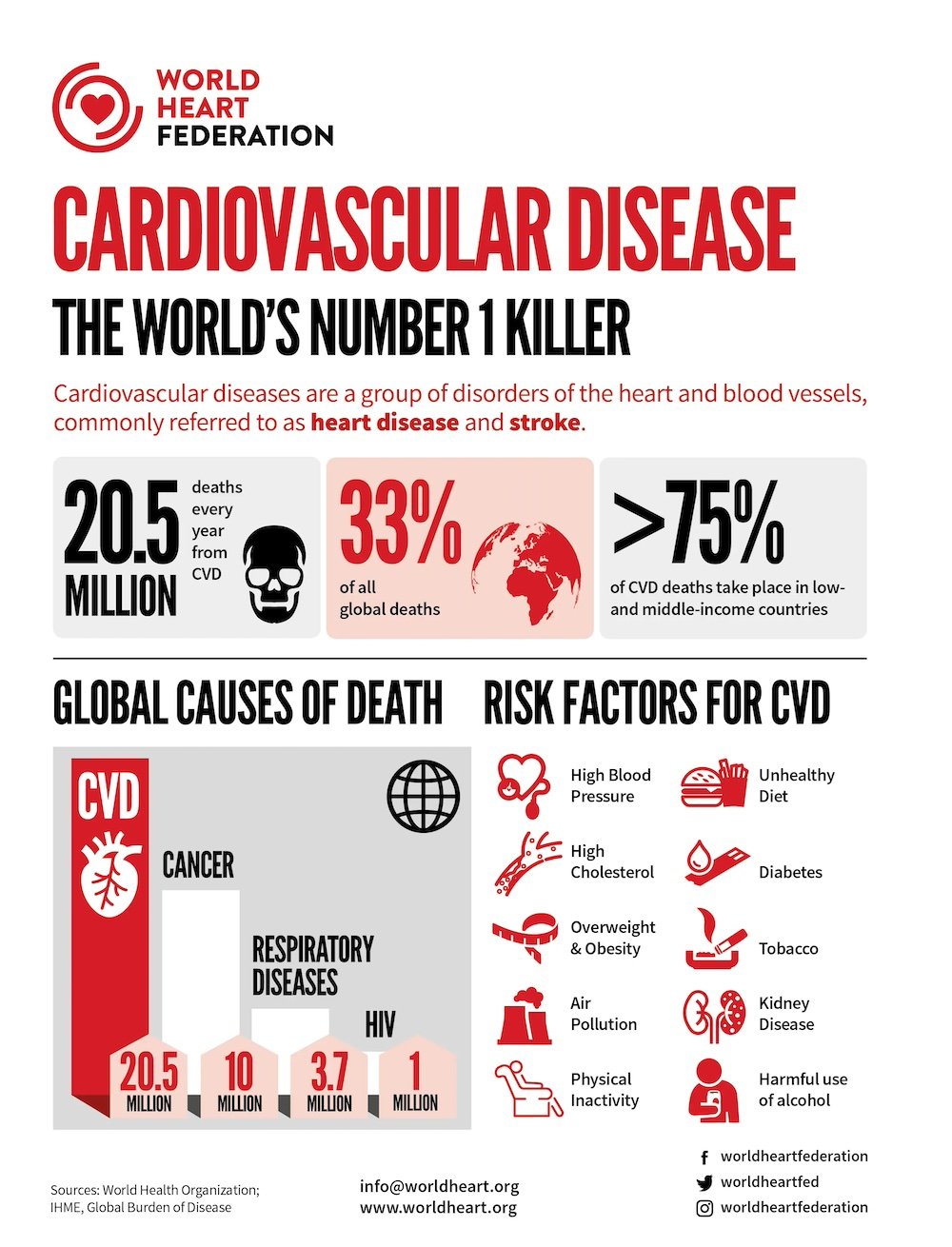
Cardiovascular disease, or CVD, remains a leading cause of death in the United States (Heron 2019) and worldwide. Coronary artery disease, sometimes called coronary heart disease or ischaemic heart disease, develops when atheromatous plaque builds up inside the coronary arteries, narrowing the lumen and sometimes rupturing to provoke clot formation. Major, modifiable risk factors for CVD include hypertension, raised cholesterol and smoking. In 2009 to 2010, nearly half of U.S. adults aged 20 and over had at least one of these three risk factors (Fryar, Chen and Li 2012). Other important contributors are diabetes, obesity, poor diet, low physical activity and excessive alcohol intake. Chronic psychosocial stress is also associated with increased CVD risk (Rosengren et al. 2004; Bhavanani 2016).
👉What does the evidence say about yoga?
Several systematic reviews and meta-analyses indicate that yoga has modest but clinically relevant effects on multiple CVD risk factors. A well cited meta-analysis including 3,168 participants reported reductions in systolic blood pressure of about 5.8 mmHg and diastolic pressure of about 4.1 mmHg, as well as favourable changes in resting heart rate, waist circumference, total cholesterol, triglycerides and glycaemic markers (Cramer et al. 2014). The authors noted that a 12-week intervention appeared particularly effective in several outcomes.
More recent research has shown similar patterns. Comprehensive meta-analyses report modest improvements in blood pressure, body mass index, lipid profiles and HbA1c among people who engage in regular yoga practice (Isath et al. 2023; Penrod et al. 2022). Effects vary by study quality, type of yoga and comparison interventions, but yoga consistently appears beneficial as an adjunct to established medical and lifestyle treatment.
👉Mechanisms that matter for teachers
Several pathways may explain why yoga reduces CVD risk. Yoga practices often reduce sympathetic arousal and increase parasympathetic tone, which can lower heart rate and blood pressure (Murugesan et al. 2024). Regular practice also combines low to moderate physical activity with improvements in body composition and insulin sensitivity, supporting more favourable metabolic profiles (Chu et al. 2016). Breathwork and mindfulness regulate stress and improve psychological wellbeing, and psychosocial stress is a known risk factor for myocardial infarction (Rosengren et al. 2004).
No single mechanism explains the effects. Instead, autonomic regulation, improved metabolic health and reduced stress likely act together.
👉Practical Teaching Toolbox for Cardiovascular Benefit
You can support cardiovascular health in mixed-level classes by weaving the strategies below into general classes or by offering dedicated heart-smart sessions.
• Include slow breathwork early in the class, such as gentle extended exhalation or soft ujjayi-style breathing, to reduce sympathetic activation (Bhavanani 2016; Murugesan et al. 2024).
• Use slow flowing sequences that maintain a low to moderate increase in heart rate for about 30 minutes to mimic the aerobic components of many effective trials (Isath et al. 2023).
• Prioritise safety for students with hypertension, recent cardiac events or symptoms such as dizziness or palpitations. Encourage students to use seated or supported alternatives when appropriate (Penrod et al. 2022).
• Encourage consistent practice. Many effective programmes ran for 8 to 12 weeks, with several weekly sessions (Cramer et al. 2014).
• Use language that promotes adherence: achievable home practice, simple routines and a focus on stress reduction help students sustain long-term practice (Sharma et al. 2022).
👉Red Flags and When to Advise Medical Review
• New or worsening chest pain, unexplained shortness of breath, fainting or concerning palpitations.
• Significantly elevated or unstable blood pressure. Students reporting very high home readings should seek medical review before progressing intensity (Penrod et al. 2022).
• Recent myocardial infarction, unstable angina or uncontrolled arrhythmia. These students require medical clearance and may benefit from cardiac rehabilitation (Sharma et al. 2022).
👉Final Takeaways for Teachers
• Yoga can modestly reduce several CVD risk factors, particularly blood pressure, lipids and metabolic markers, and it can support stress management. These effects are adjunctive rather than standalone (Cramer et al. 2014; Isath et al. 2023).
• The most consistent benefits come from combining breathwork, gentle aerobic movement and restorative elements (Chu et al. 2016; Murugesan et al. 2024).
• Encourage consistent practice, support students in working within their capacity and refer appropriately when medical issues arise.
References:
Bhavanani A. 2016. Yoga and cardiovascular health, exploring possible benefits and mechanisms. SM Journal of Cardiovascular Diseases 1(1):1003.
Chu P, Gotay C, et al. 2016. Systematic review and meta-analysis of randomised controlled trials on yoga and cardiovascular and metabolic risk factors. European Journal of Preventive Cardiology.
Cramer H, Lauche R, Haller H, Steckhan N, Michalsen A, Dobos G. 2014. Effects of yoga on cardiovascular disease risk factors, a systematic review and meta-analysis. International Journal of Cardiology 173(2):170–183.
Fryar C, Chen T, Li X. 2012. Prevalence of Uncontrolled Risk Factors for Cardiovascular Disease, United States 1999–2010. National Center for Health Statistics.
Heron M. 2019. Deaths: Leading Causes for 2017. National Vital Statistics Reports 68(6).
Isath A, Krittanawong C, et al. 2023. The effect of yoga on cardiovascular disease risk factors, a systematic review and meta-analysis. Preventive Medicine Reports.
Murugesan P, et al. 2024. Yoga and cardiovascular diseases, mechanistic pathways. Journal of Clinical and Preventive Cardiology.
Penrod N, et al. 2022. Antihypertensive effects of yoga, a systematic review. BMC Public Health.
Rosengren A, Hawken S, Ounpuu S, et al. 2004. Psychosocial risk factors and risk of acute myocardial infarction in 52 countries, the INTERHEART study. Lancet 364:953–962.
Sharma K, et al. 2022. Yoga as a preventive intervention for cardiovascular disease. Journal of Clinical and Preventive Cardiology.