If you have studied anatomy, you may have heard that the adult human body has 206 bones, 600 muscles, and a predictable structure. Early in my own studies, this idea of a standard anatomical template seemed convincing.
However, after more than 25 years studying the human body, one thing has become increasingly clear to me: human anatomy and physiology vary enormously between individuals.
Yoga teachers often say that every body is unique. While this phrase can sometimes sound like a cliché, anatomy and physiology genuinely show us that bodies can differ in meaningful ways.
Here are five examples that highlight how much variation can exist between people sitting next to each other in a yoga class.
1. The number of bones in the human body can vary
Many anatomy textbooks state that the adult human body contains 206 bones. However, this number is best understood as an average, not a universal rule.
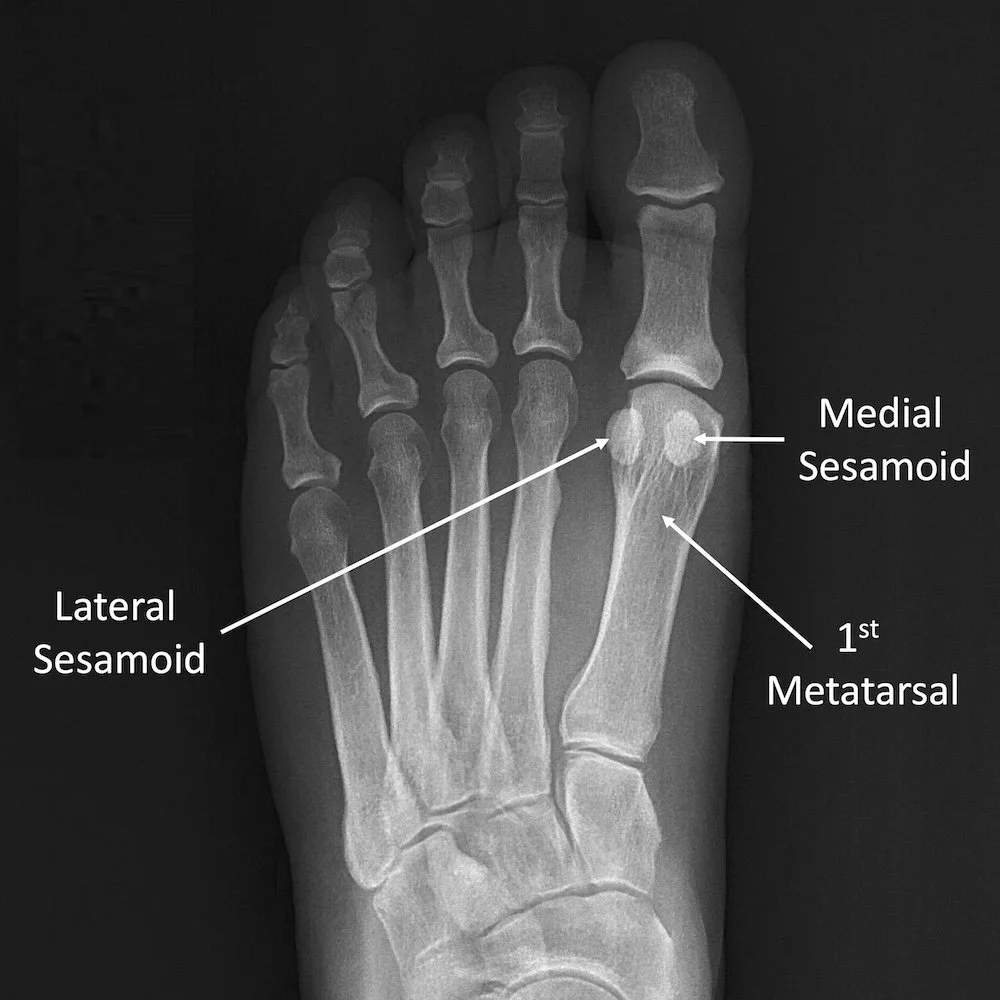
For example, each foot typically contains 27 bones, but this number can vary depending on the presence or absence of sesamoid bones. These small bones form within tendons where they pass around bony prominences.
The spine also shows considerable variation.
The lumbar spine is typically described as having five vertebrae, yet variation is not uncommon. Hanson et al. (2010) examined spinal MRI scans and found that 20% of patients did not have five lumbar vertebrae. In their sample, 14.5% had six lumbar vertebrae, 5.3% had four, and one individual had the rare finding of three.
Variation also occurs in the thoracic spine. While twelve thoracic vertebrae are typical, some people have fewer. Glass et al. (2002) reported that approximately 5 to 8 percent of individuals lack a pair of ribs and the associated thoracic vertebra. Similarly, Yan et al. (2018) found that about 6% of their study participants had eleven thoracic vertebrae.
2. Joint shapes vary dramatically between individuals
Another important source of variation lies in joint structure.
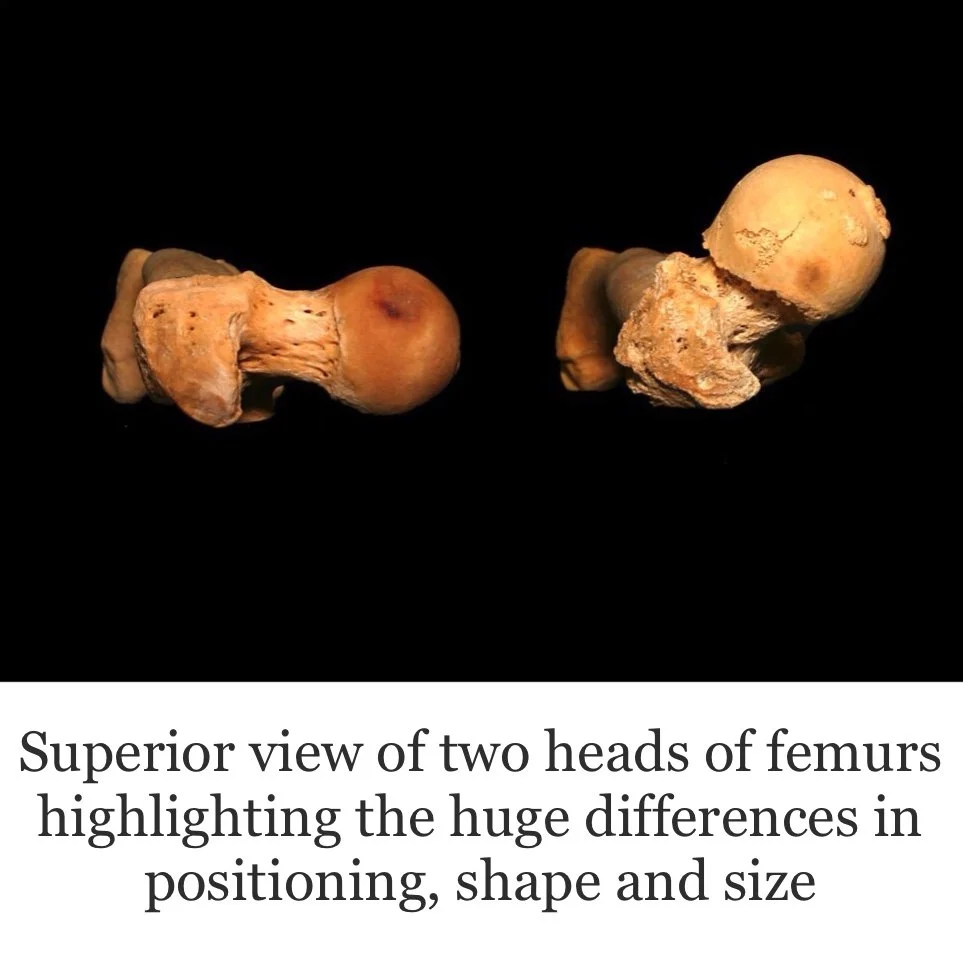
The hip joint provides a useful example. Differences in the orientation of the femoral neck relative to the shaft of the femur can influence how easily someone can move into certain positions.
Some students may find Lotus Pose relatively accessible, while others may struggle to sit comfortably cross-legged. In some cases, full Lotus may simply not be achievable because of skeletal structure rather than a lack of effort or flexibility.
Importantly, even within the same person, the right and left hip joints can differ in their architecture.
For yoga teachers, this is a helpful reminder that not every limitation reflects tightness that needs to be stretched. Sometimes it simply reflects anatomical structure.
3. The number of muscles in the body can vary
Muscle anatomy also shows variation.
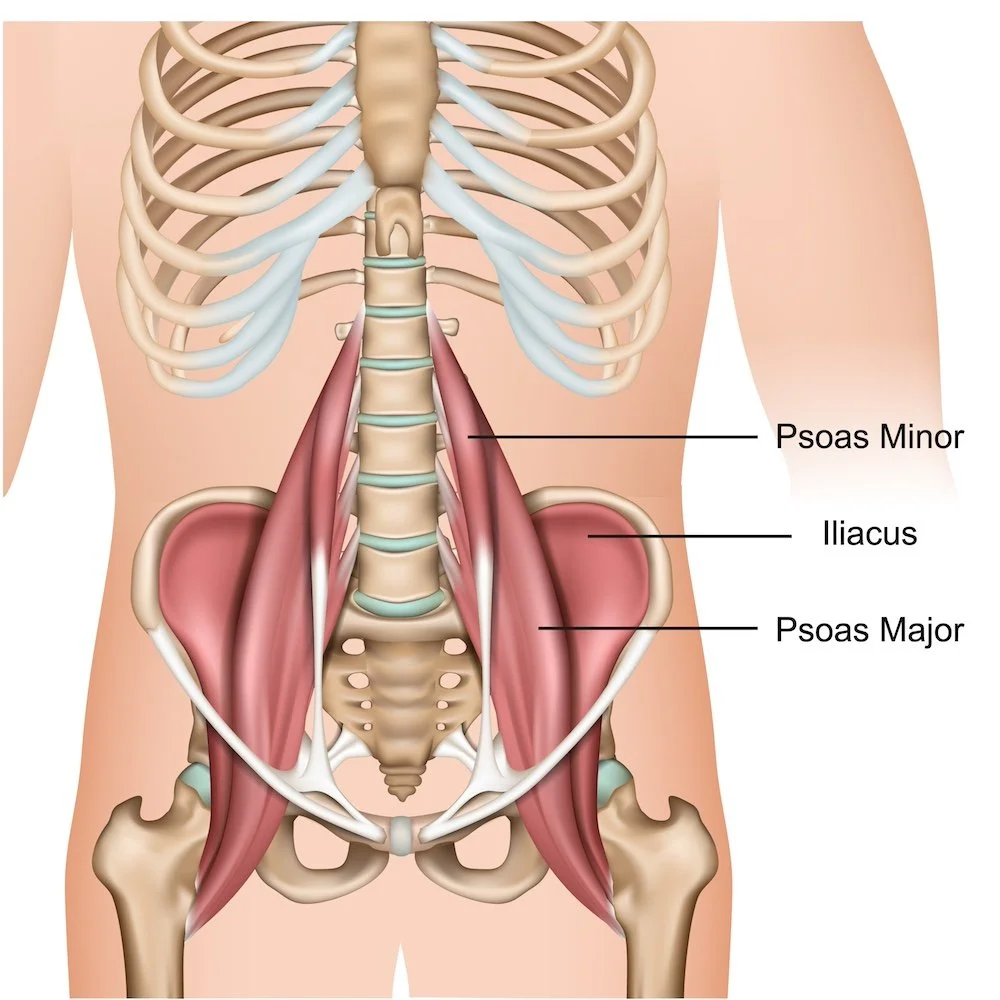
The pyramidalis, a small triangular muscle located in front of the rectus abdominis, is absent in around 20 percent of people.
Similarly, the psoas minor is missing in a significant portion of the population (Farias et al., 2012).
Variation can also occur in larger muscles. For example, some individuals possess an additional fifth head of the quadriceps femoris (Sam et al., 2021).
These differences typically have little functional consequence, yet they highlight how the body does not always match the diagrams we see in textbooks.
4. In rare cases, organs can be reversed
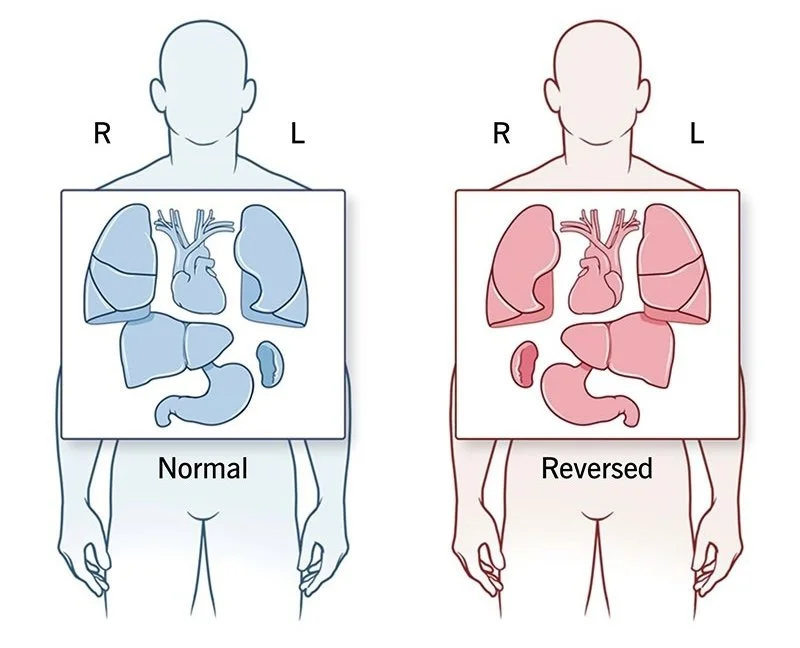
A rare but fascinating example of variation is situs inversus, a condition in which the internal organs develop in a mirror-image position.
In individuals with situs inversus, the heart may be positioned on the right side of the chest rather than the left, and abdominal organs are similarly reversed.
Although uncommon, this condition illustrates just how flexible human development can be.
5. Physiology varies too
Variation is not limited to structure. Physiology differs between people as well.
For example:
Some people have a reduced ability to perceive smells, while others have a heightened sense of smell.
Taste perception also varies. Individuals differ in their ability to detect bitter compounds or subtle changes in salt concentration.
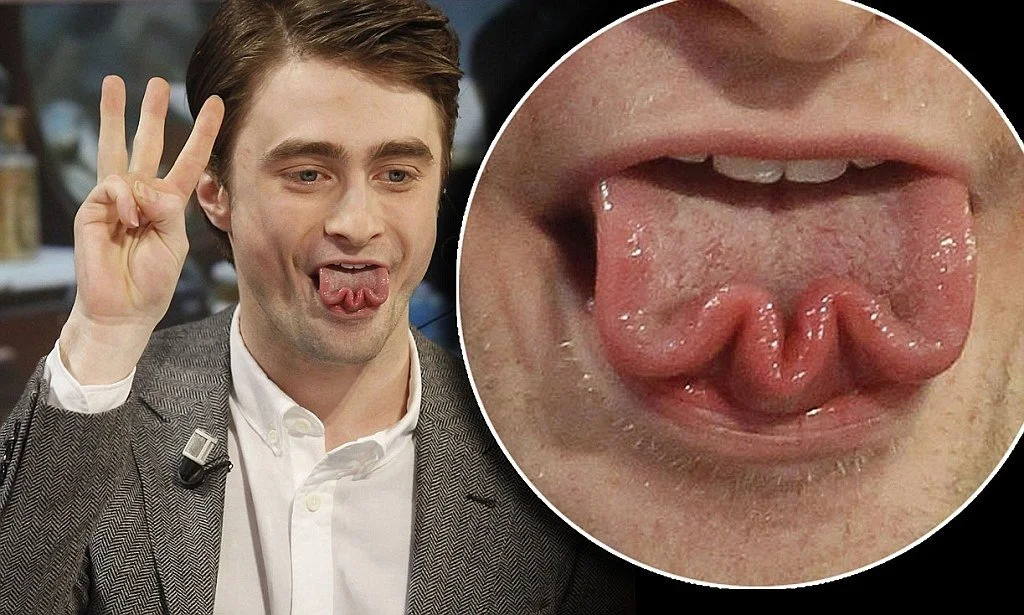
Even simple traits such as tongue rolling vary. Some people can roll their tongues easily, while others cannot.
Another well-known example of physiological variation is blood type, which can be A, B, AB, or O.
These differences highlight an important point: humans do not all respond to the same stimuli in the same way.
Why this matters for yoga teachers
Understanding human variation can help yoga teachers move away from the idea that there is one correct way for every body to move.
When a student cannot access a particular shape, the explanation is not always tight muscles, lack of effort, or poor technique. Sometimes it simply reflects their anatomy.
Recognising this can support teaching that is more inclusive, less prescriptive, and more responsive to the individual student in front of you.
In other words, variation is not a problem to solve. It is simply part of what it means to be human.
References:
Farias, M., Oliveira, B., Rocha, T. and Caiaffo, V. (2012) Morphological and morphometric analysis of psoas minor muscle in cadavers. Journal of Morphological Sciences, 29(4), 202–205.
Glass, R., Norton, K., Mitre, S. and Kang, E. (2002) Pediatric ribs: a spectrum of abnormalities. Radiographics, 22(1), 87–104.
Hanson, E., Mishra, R., Chang, D., Perkins, T. et al. (2010) Sagittal whole-spine magnetic resonance imaging in 750 consecutive outpatients: accurate determination of the number of lumbar vertebral bodies. Journal of Neurosurgery: Spine, 12, 47–55.
Sam, F., Kandagaddala, M., Prithishkumar, I. J. et al. (2021) Prevalence of the additional head of quadriceps femoris in the South Indian population: a cadaveric and radiological study. Scientific Reports, 11, 16132.
Yan, Y., Li, Q., Wu, C., Pan, X. et al. (2018) Rate of presence of 11 thoracic vertebrae and 6 lumbar vertebrae in asymptomatic Chinese adult volunteers. Journal of Orthopaedic Surgery and Research, 13, 124.