Acute inflammation is a vital part of our immune response. But when inflammation becomes chronic and low-grade, it can quietly contribute to a wide range of health problems. Here are five evidence-based ways to help reduce chronic inflammation — useful reminders both for you and for your students.
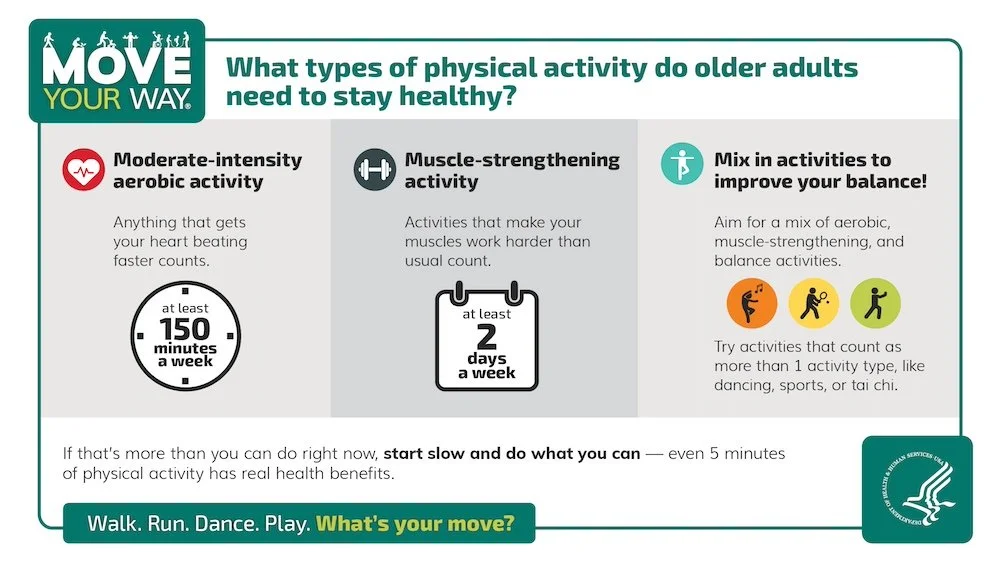
1. Progressively increase your activity levels
Regular movement doesn’t just build strength and stamina — it helps regulate inflammation. Research shows that inactivity is linked to higher systemic inflammation, while consistent activity protects against inflammatory disease (Petersen & Pedersen, 2005).
Nature-based activity adds another layer. One study found that more frequent positive experiences in nature were linked to lower inflammation in a large U.S. sample (Ong, Cintron & Fuligni, 2024).
Yoga also plays a role. A systematic review of 15 randomized controlled trials found that yoga practice may downregulate proinflammatory markers, suggesting it can be a supportive intervention for people with inflammatory conditions (Falkenberg, Eising & Peters, 2018).
👉 Teaching angle: Remind students that gentle, consistent practice is powerful medicine — movement doesn’t need to be extreme to be effective.
2. Rethink how you talk about your body
Our thoughts and language can influence how much inflammation we experience. Neurotags — networks of neurons associated with sensations or beliefs — become more easily activated the more they’re reinforced. If a student repeatedly tells themselves, “my knee is wrecked,” that message can amplify pain and inflammation.
👉 Teaching angle: Encourage empowering language in class. Even subtle shifts, like “my knee is healing” instead of “my knee is damaged,” can support a healthier response.

3. Prioritise sleep and rest
Poor sleep — whether too little, too much, or poor quality — is linked with greater risk of inflammatory disease and higher overall mortality (Irwin, Olmstead & Carroll, 2016).
Tips that help:
· Keep a regular sleep schedule
· Limit screen time an hour before bed
· Get 30 minutes of natural light exposure daily
👉 Teaching angle: Consider including short practices for better sleep in your classes — e.g., restorative poses, breath awareness, or guided relaxation.

4. Manage your stress
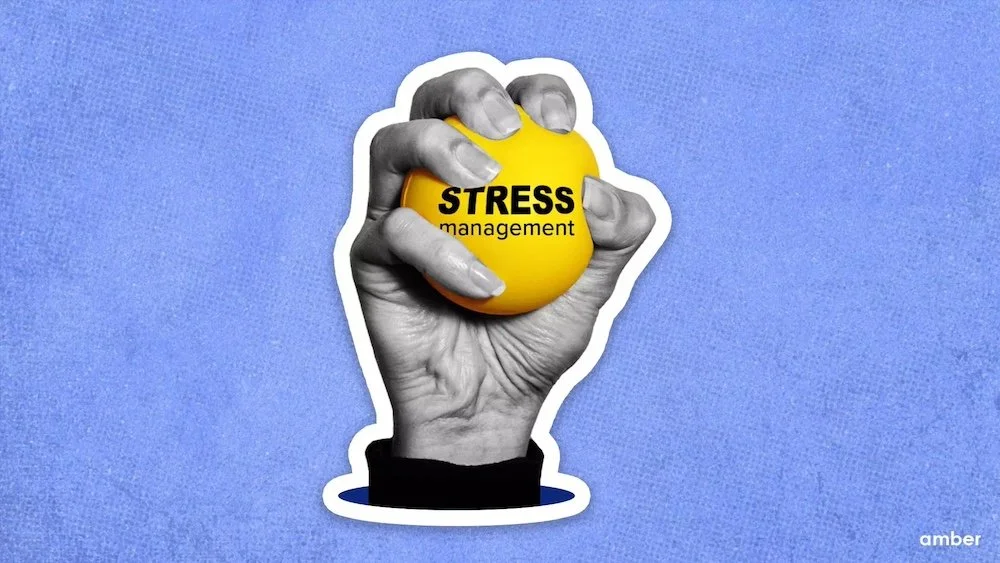
Stress drives inflammation. Building a “stress toolbox” — yoga, meditation, pranayama, time in nature, exercise, cooking — helps buffer the effects.
You can also plan ahead for stressful events. Five minutes of breathwork before and after a meeting, or taking a quiet moment during busy holidays, can make a real difference.
And don’t underestimate the power of social support. Connection with people who make us feel seen and heard is deeply anti-inflammatory.
👉 Teaching angle: Integrate stress-management tools into your classes, and remind students to notice which strategies work best for them.
5. Choose more anti-inflammatory foods
Certain foods can help lower inflammation: berries, dark chocolate and cocoa, green tea or matcha, turmeric, and a Mediterranean-style diet overall.
Try to limit highly processed foods, refined sugar, and alcohol.
👉 Teaching angle: If food and lifestyle questions come up, gently point students to simple, evidence-based resources (like this Healthline summary) rather than prescriptive advice.

References:
Falkenberg, R., Eising, C., & Peters, M. (2018). Yoga and Immune System Functioning: A Systematic Review of Randomized Controlled Trials. Journal of Behavioral Medicine, 41, 467–482.
Irwin, M. R., Olmstead, R., & Carroll, J. E. (2016). Sleep Disturbance, Sleep Duration, and Inflammation: A Systematic Review and Meta-Analysis of Cohort Studies and Experimental Sleep Deprivation. Biological Psychiatry, 80(1), 40–52.
Ong, A. D., Cintron, D. W., & Fuligni, G. L. (2024). Engagement with Nature and Proinflammatory Biology. Brain, Behavior, and Immunity, 119, 51–55.
Petersen, A., & Pedersen, B. (2005). The Anti-Inflammatory Effect of Exercise. Journal of Applied Physiology, 98, 1154–1162.