Can our brain change in response to experience? For much of the 20th century, the answer was thought to be no. Researchers once believed that the brain’s structure became fixed after childhood. But we now know that this isn’t the case. The brain is capable of remarkable adaptation throughout our lives — a process known as neuroplasticity.
This newsletter shares an adapted excerpt from The Physiology of Yoga, exploring how the brain changes, why it matters, and how yoga may play a role in shaping these changes.
👉What Is Neuroplasticity?
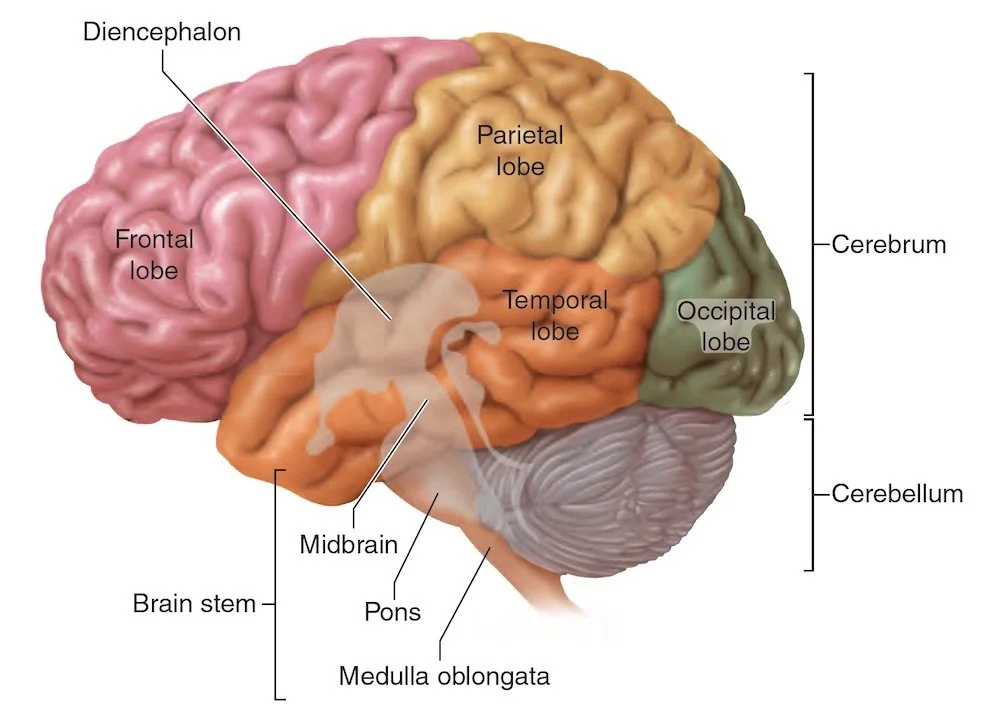
The cerebrum is the largest portion of the brain and contains the cerebral cortex. The cortex is divided into four lobes:
• Frontal lobe – motor function, language, memory, impulse control, problem solving, and social behavior.
• Parietal lobe – sensory input from the body’s surface and environment (somatosensation).
• Occipital lobe – visual processing.
• Temporal lobe – auditory processing and memory formation.
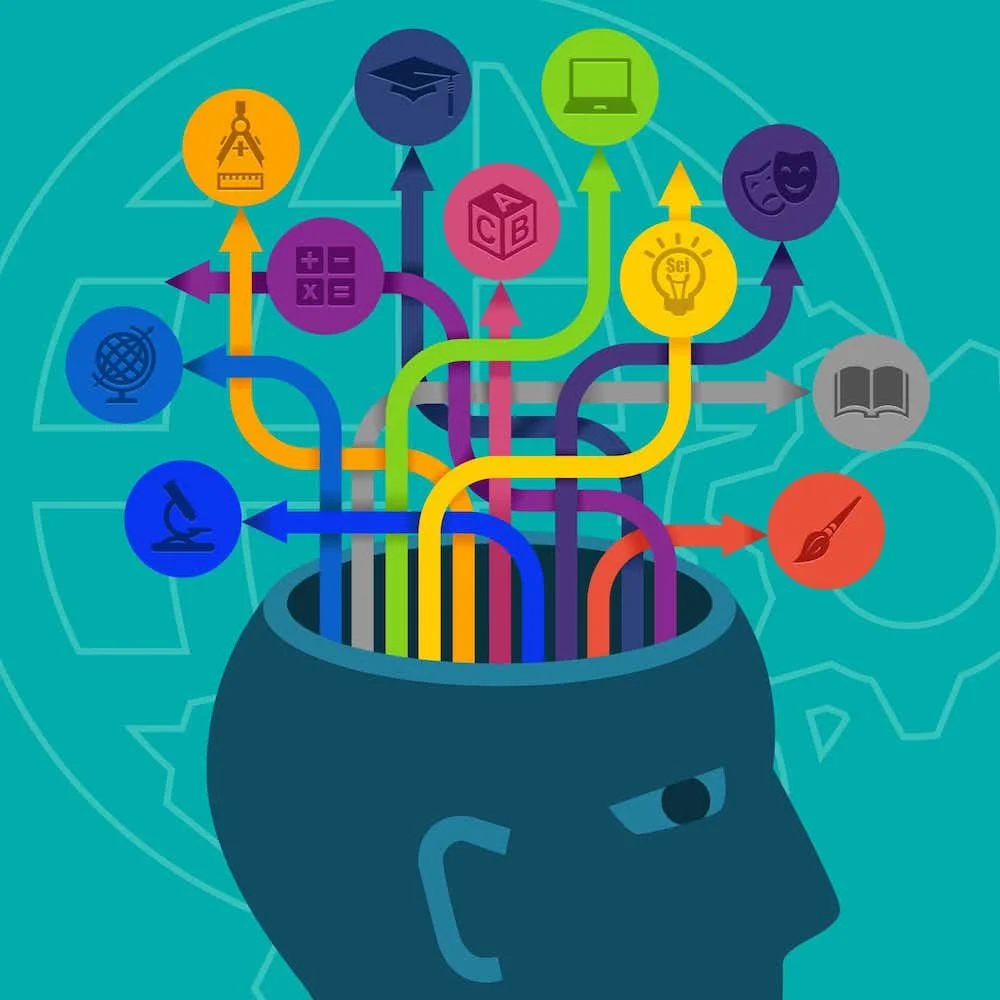
These functions aren’t completely hardwired. Neuroplasticity describes the brain’s ability to change in response to experience, essentially allowing it to re-wire itself.
Neuroscientist David Eagleman explains that brain regions maintain their “territory” through activity. If activity decreases (as in blindness), neighboring regions may take over — sometimes within hours. Even dreaming may help the visual system preserve its function overnight.
👉Why This Matters for Adults
Children and young adults experience heightened plasticity, but neuroplasticity continues throughout life. As adults, we can encourage it by:
• Seeking new challenges
• Applying focused, deliberate effort
• Getting enough sleep, which locks in new neural pathways
Neurotransmitters like glutamate play a central role in this process. And while yogis often describe Savasana as a time for the mind to imprint changes, modern neuroscience points to sleep as the ultimate consolidator of new learning.
👉What Yoga Research Shows
Recent studies suggest yoga may support neuroplasticity:
• Tolahunase et al. (2018): Yoga and meditation interventions improved systemic biomarkers of neuroplasticity in people with major depressive disorder.
• Gothe et al. (2019): Systematic review found yoga has positive effects on the structure and function of brain regions like the amygdalae and prefrontal cortex — areas tied to stress, emotional regulation, and executive function.
These findings suggest yoga can help preserve brain health, potentially slowing age-related changes and supporting resilience against depression and cognitive decline.
👉Teacher’s Takeaway
As yoga teachers, understanding neuroplasticity reinforces the power of what we offer:
• Every new cue, sequence, or mindful breath is a chance to help students “re-wire” their brains.
• Consistent practice can create meaningful, lasting changes in both mood and cognitive health.
• Rest and novelty are essential — we can remind students that there isn’t just one “correct” version of a pose. Exploring different variations of Warrior II, Dancer, or Downward Dog doesn’t just meet students where they are — it literally challenges the brain to learn new patterns. Each variation adds value, providing fresh opportunities for both body and brain to adapt.
• Balance practice with recovery. Highlight how Savasana and quality sleep consolidate the learning that takes place on the mat.
References:
Eagleman, D. (2020). Livewired: The Inside Story of the Ever-Changing Brain. Pantheon.
Gothe, N. et al. (2019). “Yoga Effects on Brain Health: A Systematic Review.” Brain Plasticity 5(1), 105–122.
Tolahunase, M. et al. (2018). “Yoga- and Meditation-Based Lifestyle Intervention Increases Neuroplasticity and Reduces Severity of Major Depressive Disorder.” Restorative Neurology and Neuroscience 36(3), 423–442.
Walker, M. & Stickgold, R. (2004). “Sleep-Dependent Learning and Memory Consolidation.” Neuron 44(1), 121–133.
Zhou, Y. & Danbolt, N. (2014). “Glutamate as a Neurotransmitter in the Healthy Brain.” Journal of Neural Transmission 121(8), 799–