What does “regulating the nervous system” actually mean?
“Regulating the nervous system” has become one of the most common phrases in yoga and wellness spaces. It appears in class descriptions, Instagram captions, and teacher trainings, often presented as something we should all be aiming to do, ideally all the time.
But what does this phrase actually mean? And does it make sense from a physiological point of view?
The nervous system is already doing its job
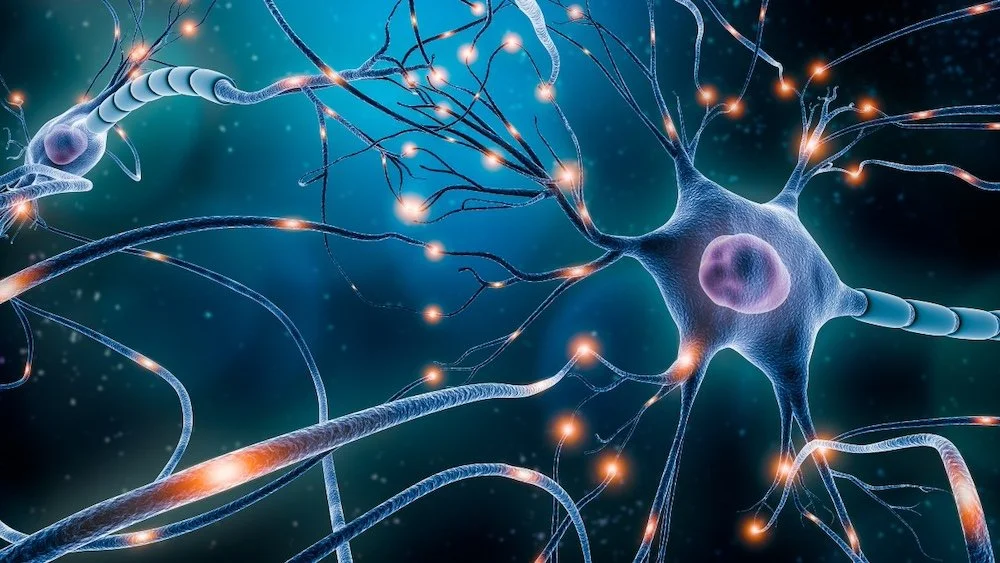
From a biological perspective, the nervous system is always regulating. It continuously adjusts heart rate, breathing, muscle tone, attention, and hormonal responses in response to internal and external demands. This constant adaptation is central to survival and health (McEwen, 1998; McEwen and Wingfield, 2003).
This means the nervous system is not something that is broken, switched off, or waiting for us to fix it.
We are not “turning on” regulation through breathwork, slow movement, or rest. Regulation is happening continuously, whether we are lying on a mat, teaching a strong class, or navigating daily stressors.
Why the phrase still resonates
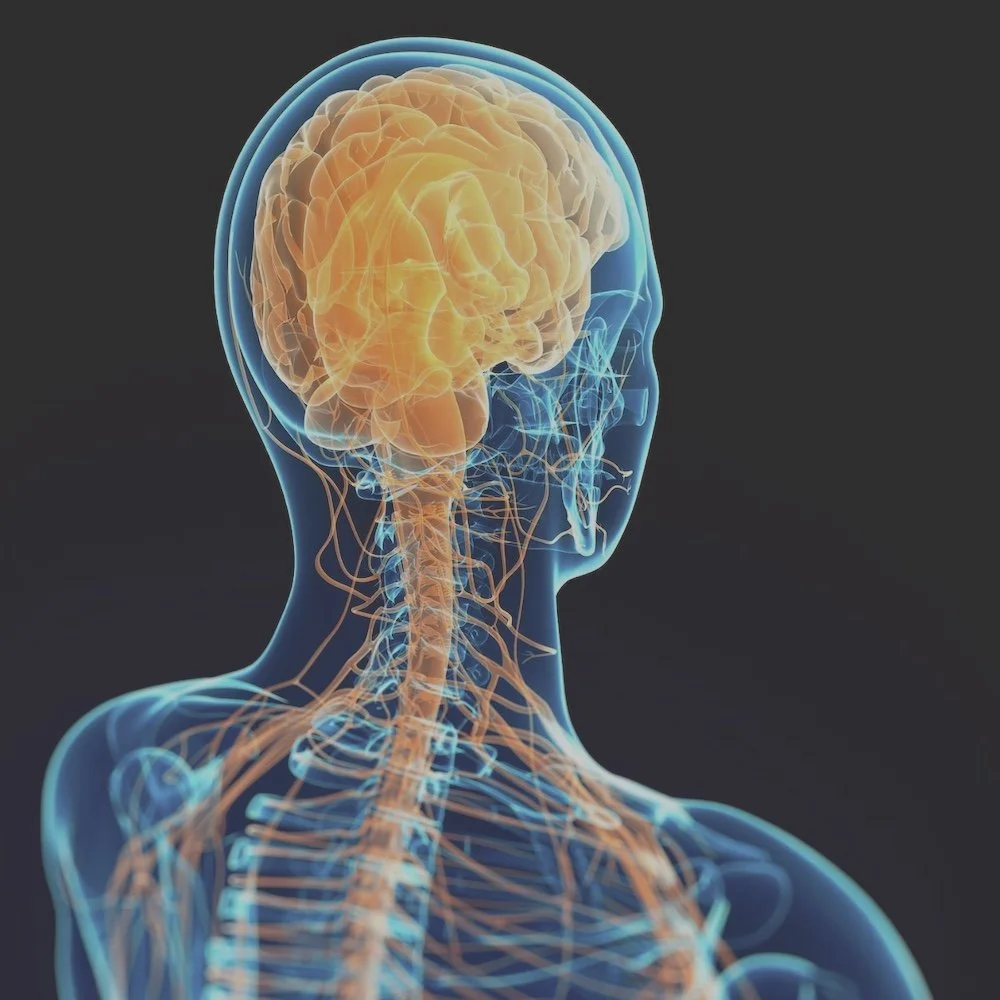
When people talk about “regulating their nervous system”, they are usually describing something very real at a felt level. They may be referring to reduced stress reactivity, improved recovery after challenge, or a greater sense of safety and stability.
These experiences are meaningful and are supported by research showing links between autonomic function, emotional regulation, and perceived stress (Thayer and Lane, 2000).
The issue is not that the phrase is meaningless, but that it is often used without sufficient clarity.
Regulation is not the same as calm
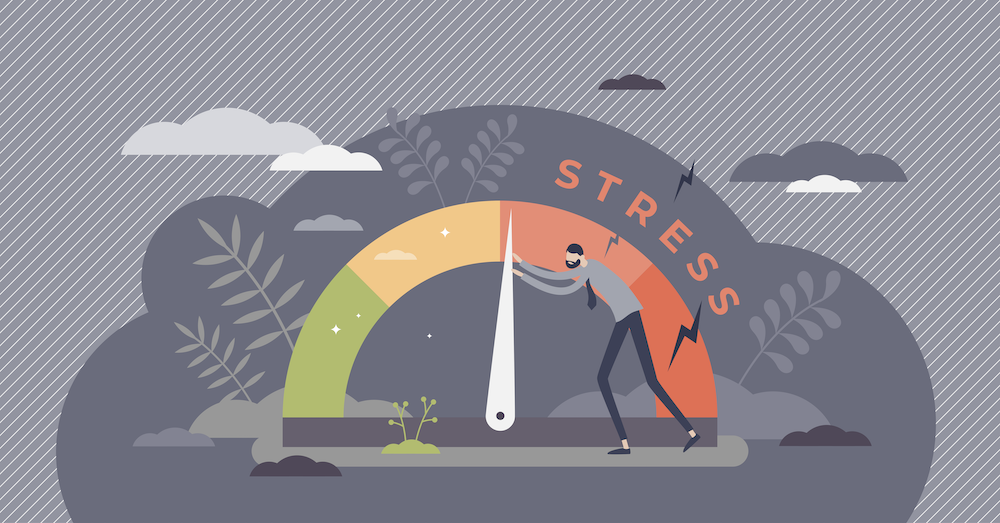
A common assumption is that a “regulated” nervous system is a calm one. From a physiological perspective, regulation is better understood as flexibility, the ability to move between states in response to changing demands.
A well-functioning nervous system can mobilise energy for effort, tolerate increases in heart rate and breathing, and then downshift efficiently once the demand has passed. This capacity for stability through change is described in the concept of allostasis (McEwen, 1998).
If a system can only relax but struggles with effort, load, or intensity, this reflects limitation rather than optimal regulation.
What yoga practices actually influence
Practices commonly described as “regulating the nervous system” influence nervous system function rather than control it.
For example:
• Breathing practices can bias autonomic activity and influence arousal
• Movement can utilise, organise, or discharge physiological activation
• Rest can support recovery processes
• Social connection and language can alter perception of threat and safety, a key factor in autonomic responses (Porges, 2011)
These practices create conditions that support adaptability and recovery. They do not guarantee calm, and their effects vary between individuals.

Why this matters in teaching spaces
When regulation is equated with relaxation, students may interpret activation, effort, or increased breath as signs of failure or dysregulation.
This is problematic, particularly in movement-based practices. Physiological activation is not inherently harmful, and stress responses are a normal part of adaptation and learning (McEwen and Wingfield, 2003).
Capacity grows through appropriately dosed challenge followed by adequate recovery, not through avoidance of activation.
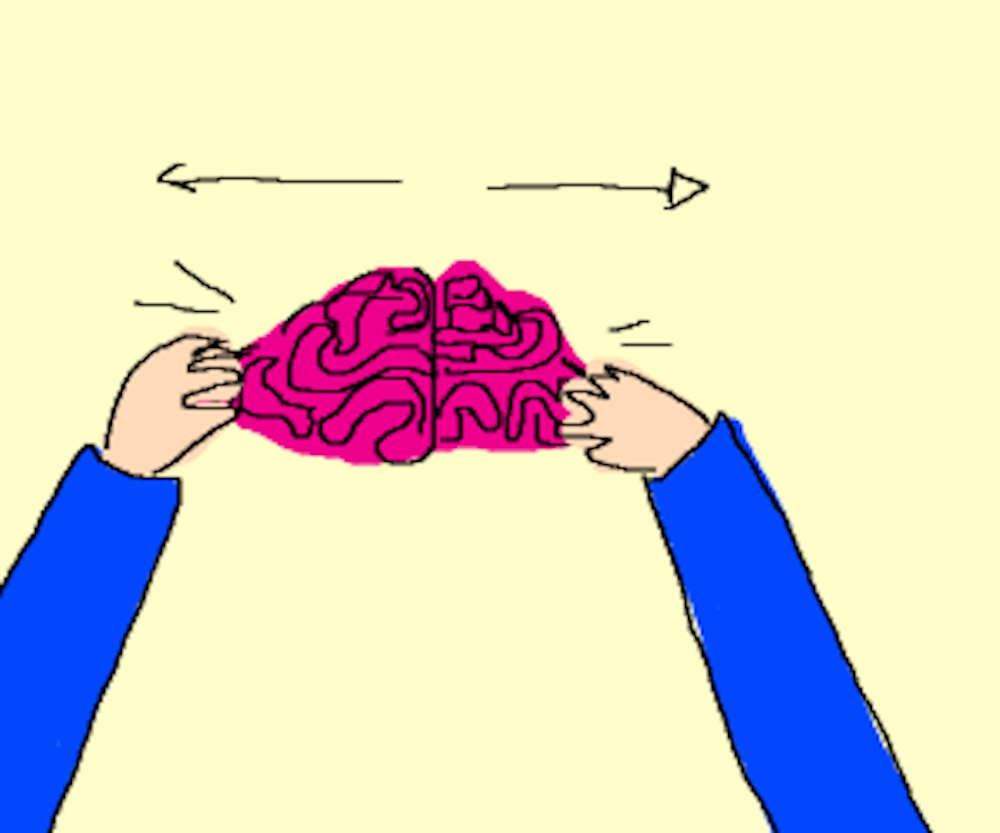
A more accurate way to talk about regulation
For yoga teachers, a more useful framing is to describe practices as supporting awareness, recovery, and adaptability, rather than promising regulation or calm.
This might sound like:
• Exploring how the body responds to different demands
• Supporting recovery after effort
• Developing tolerance for both activation and rest
• Increasing awareness of internal responses rather than trying to change them
This language is more accurate, more empowering, and more closely aligned with current understandings of nervous system function.
References:
McEwen, B. S. (1998). Stress, adaptation, and disease: Allostasis and allostatic load. Annals of the New York Academy of Sciences, 840, 33–44.
McEwen, B. S., and Wingfield, J. C. (2003). The concept of allostasis in biology and biomedicine. Hormones and Behavior, 43(1), 2–15.
Porges, S. W. (2011). The Polyvagal Theory: Neurophysiological Foundations of Emotions, Attachment, Communication, and Self-Regulation. Norton.
Thayer, J. F., and Lane, R. D. (2000). A model of neurovisceral integration in emotion regulation and dysregulation. Journal of Affective Disorders, 61(3), 201–216.