One question I hear repeatedly from yoga teachers is, "If someone tells me they have osteoporosis, what should I do differently?" It's an understandable question. Most of us want to keep our students safe, and it's tempting to begin by thinking about poses. Should they avoid forward folds? What about twists? Are backbends okay? The more I've taught this subject, however, the more I've realised that these questions often come too early. Before deciding whether a movement needs to change, I think there are a handful of ideas that make those decisions much easier. Below are six that have gradually changed the way I think about teaching students with osteoporosis.
1. A diagnosis doesn't tell you how someone moves
When a student tells us they have osteoporosis, it's easy to assume we already know something about their movement. In reality, a diagnosis tells us remarkably little about how that individual functions. A DXA scan provides valuable information about bone mineral density, but it doesn't tell us about bone quality, muscle strength, balance, confidence, previous falls or how someone moves in everyday life (Genant et al., 1999). Two students with exactly the same T-score on a DXA scan may present very differently in class. One may hike every weekend, lift weights and move with confidence, while another may have experienced several fractures and become understandably fearful of movement. For me, this has shifted the emphasis away from the scan itself and towards meaningful conversations about previous fractures, current activity levels, concerns and goals. This provides far more useful information than the diagnosis alone.
2. Bone is living tissue
I think one of the reasons osteoporosis can feel so frightening is that many people picture bones gradually wearing away with age. The reality is much more interesting and empowering. Bone is constantly being broken down and rebuilt throughout our lives, responding to the demands placed upon it through everyday movement. Mechanical loading, the forces generated when muscles contract and pull on bone, is one of the signals that influences this continual process. That doesn't mean every type of movement builds bone, but it does remind us that our skeleton is remarkably adaptable. I've found that this simple shift in perspective often changes how teachers think about movement. Rather than asking how little someone with osteoporosis should do, we can begin asking what kinds of movement might help them remain active, capable and confident.
3. Fracture risk is about more than bone density
Osteopenia and osteoporosis are both conditions involving low bone mineral density, but osteopenia is a milder, earlier stage of bone loss, while osteoporosis is a more advanced condition.
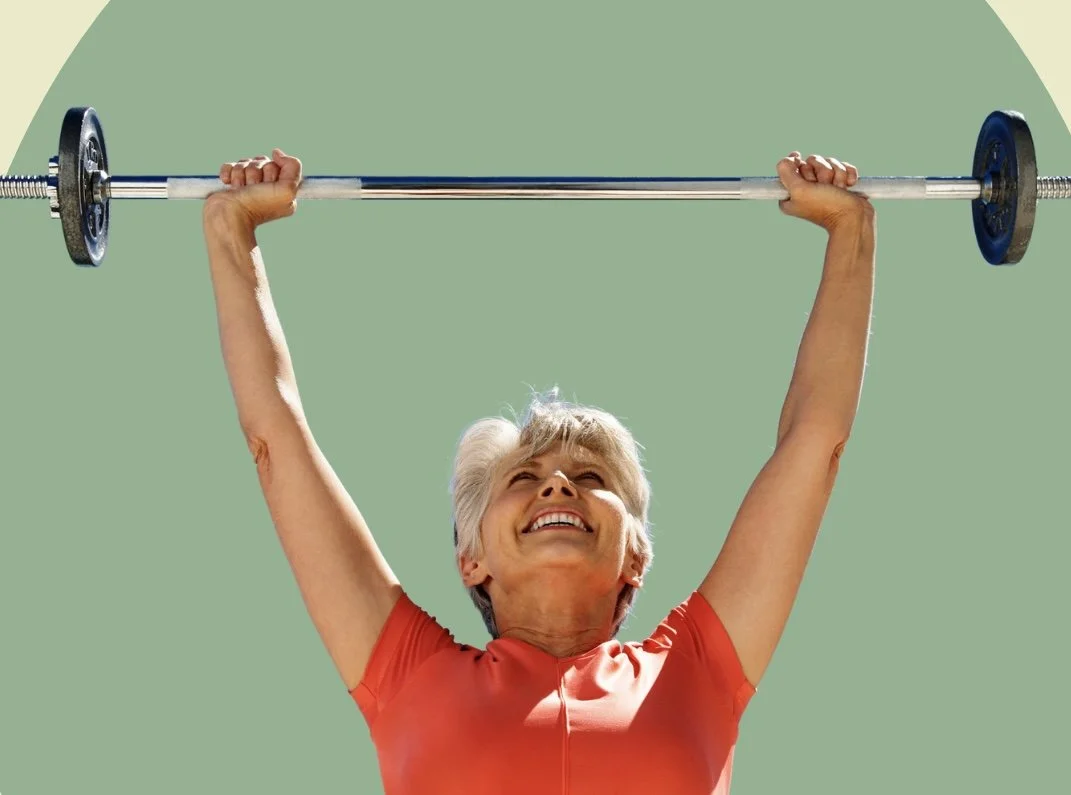
One finding that genuinely surprised me was learning that many fractures occur in people with osteopenia rather than osteoporosis (Beck et al., 2017). Bone density clearly matters, but it is only one part of a much bigger picture. Fracture risk is also influenced by muscle strength, balance, previous falls, medications, vision, reaction time and confidence with movement. That has important implications for yoga teachers because many of these factors can be influenced through regular, appropriate physical activity. When we help students improve their balance, become more confident getting down onto the floor and back up again or simply feel less anxious about moving, we may be supporting their long-term bone health in ways that aren't reflected by a scan. It reminds me that teaching someone with osteoporosis is rarely just about protecting their bones.
4. Protecting someone isn't always the same as helping them
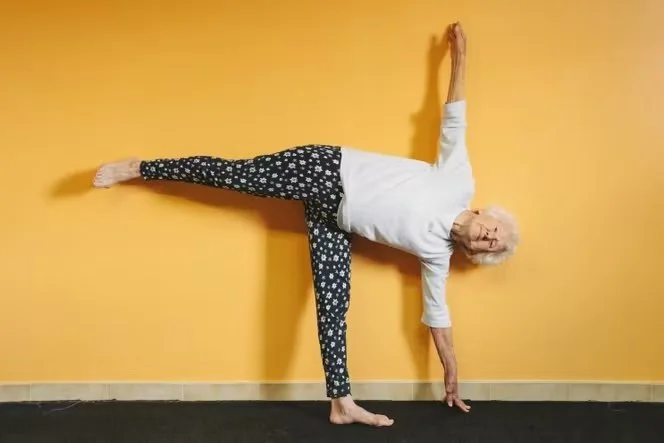
A diagnosis of osteoporosis understandably makes many people more cautious. Sometimes, though, that caution gradually becomes avoidance. Students stop lifting, stop bending, stop getting down onto the floor, or stop exercising altogether because they're so worried about a fracture. The irony is that moving less can reduce strength, balance and confidence, all of which are important for reducing fall risk. Current UK guidance encourages people with osteoporosis to remain physically active and concludes that the benefits of exercise generally outweigh the risks (Brooke-Wavell et al., 2022). That doesn't mean every movement is appropriate for every individual, but it does suggest that our role isn't simply to remove challenge from practice. There’s so much room for us to help students find ways of continuing to move with confidence.
5. Not every spinal movement deserves the same label
Perhaps the biggest misconception I encounter is the idea that people with osteoporosis should never flex or twist their spine. I've become increasingly uncomfortable with blanket statements like these because they overlook how different movements actually are. Rolling up from a standing forward fold, pulling someone deeper into a seated twist, reaching to fasten a seatbelt or gently turning to look behind you all involve spinal movement, yet they place very different demands on the body. The size of the movement, the amount of load, the speed, whether an external force is involved, and the student's history all influence how we might approach it. That's why I find broad lists of "safe" and "unsafe" poses less helpful than understanding the principles behind movement. Once we understand those principles, teaching decisions become much more thoughtful.
6. Yoga is valuable, but it doesn't have to do everything
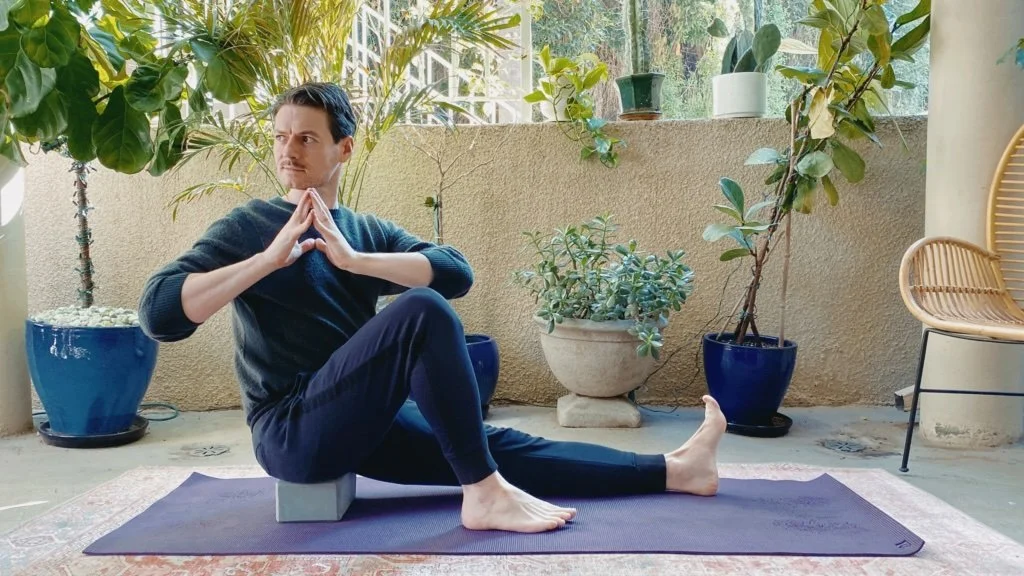
Within yoga circles, we sometimes hear claims that yoga can reverse osteoporosis. At other times, we're told that yoga is too risky for anyone with low bone density. I don't find either position particularly convincing or helpful. Yoga can improve balance, coordination, body awareness and confidence, all of which are valuable for someone living with osteoporosis. For someone who has become inactive, returning to regular movement through yoga may represent an important first step. At the same time, current evidence suggests that progressive resistance and impact training provide a different stimulus for maintaining or improving bone strength (Watson et al., 2018). I don't see that as diminishing the value of yoga. If anything, it encourages us to think more broadly about movement. Yoga doesn't have to do everything in order to make a meaningful contribution to someone's health and wellbeing.
None of these six ideas tells you exactly how to teach someone with osteoporosis, and that was never my intention. My hope is simply that they've encouraged you to pause before reaching for a list of poses to avoid and instead think more deeply about the person standing in front of you.
In the first workshop of my upcoming Teaching with Confidence series, we'll explore what the current evidence actually says about osteoporosis, movement, common yoga modifications and how to make confident teaching decisions without relying on outdated myths. Because perhaps the most useful question isn't, "Which poses are safe?" It's, "How can I make thoughtful decisions for this individual student?"
References:
Beck, B. R., Daly, R. M., Singh, M. A. F., & Taaffe, D. R. (2017). Exercise and Sports Science Australia position statement on exercise prescription for the prevention and management of osteoporosis. Journal of Science and Medicine in Sport, 20(5), 438-445.
Brooke-Wavell, K., Skelton, D., Barker, K., et al. (2022). Strong, steady and straight: UK consensus statement on physical activity and exercise for osteoporosis. British Journal of Sports Medicine, 56, 837-846.
Genant, H., Cooper, C., Poor, G., Reid, I., Ehrlich, G., Kanis, J., Nordin, B., et al. (1999). Interim report and recommendations of the World Health Organization Task Force for Osteoporosis. Osteoporosis International, 10(4), 259-264.
US Department of Health and Human Services. (2004). Bone Health and Osteoporosis: A Report of the Surgeon General.
Watson, S. L., Weeks, B. K., Weis, L. J., Harding, A. T., Horan, S. A., & Beck, B. R. (2018). High-intensity resistance and impact training improves bone mineral density and physical function in postmenopausal women with osteopenia and osteoporosis: The LIFTMOR randomised controlled trial. Journal of Bone and Mineral Research, 33(2), 211-220.